Driving Real-World Innovation — Beyond the Lab
Innovation Starts with Understanding
Innovation does not start in the lab — it starts with understanding customer processes, market dynamics and regional requirements.
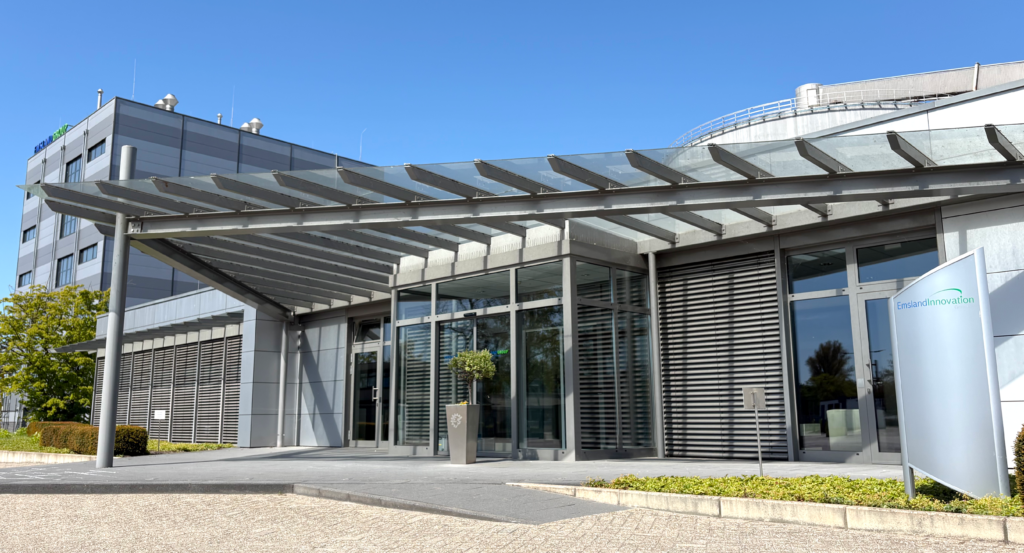
At the Emsland Group, research and development is built on this foundation. The Innovation Center in Emlichheim serves as the technical core, embedded in a global network that continuously feeds market insights into development.
The objective is clear: to develop functional ingredients — starches, proteins, fibers, flakes and granules — that enable customers to improve and evolve their own products. “Customers are not looking for innovation for its own sake,” says Andre Heilemann, Director of R&D. “They are looking for solutions that work reliably within their processes.”
From Raw Materials to Functional Value
Every development begins with a simple question: how can raw materials be transformed to deliver greater functional value?
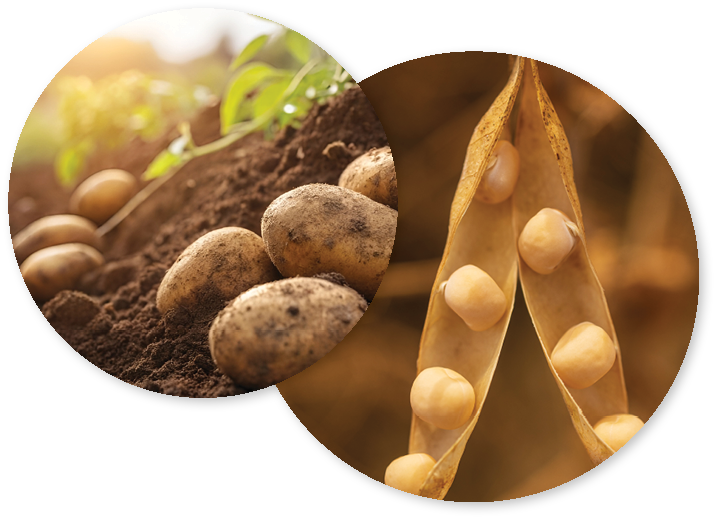
This may involve optimizing existing products, refining specific functionalities, or developing entirely new ingredients tailored to market needs. For example, our starches — derived from potatoes, including waxy potato, and yellow peas — offer a broad range of performance characteristics, from stable thickening, clarity, and high viscosity to low process viscosity and diverse gelling textures. Using a variety of modification technologies, we can precisely fine-tune the starch properties to meet specific application requirements.
The focus is always on reliable performance of our products — ensuring that properties such as viscosity, structure and binding behavior are consistent and reproducible. Nutritional aspects, such as fiber or protein enrichment, must also be measurable and stable.
The Pilot Plant: Bridging Development and Production
A key differentiator of the Emsland Group’s R&D approach is the pilot plant — recently upgraded through a significant investment. Designed as a small-scale replica of industrial production, it enables products and processes to be developed and optimized under conditions that closely reflect full-scale manufacturing.
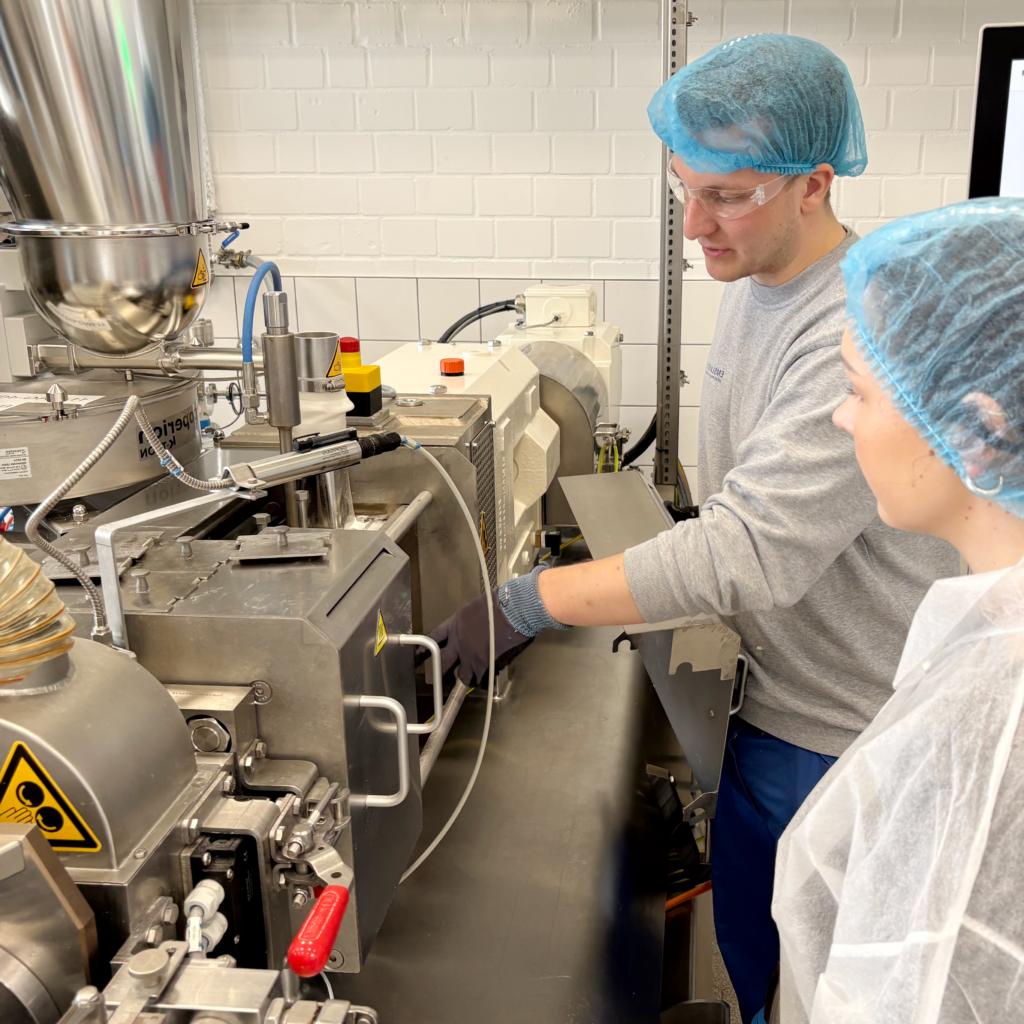
Among the latest additions is new milling equipment that expands the scope of development work. In addition to processing flakes, the system can also mill other raw materials, such as peas, and support trials with entirely new raw materials. This gives the R&D team greater flexibility to explore new concepts.
A new advanced extruder also plays a central role in development. It supports the creation of food ingredients with tailored functionalities, while also being used for products in technical applications, such as paper sack adhesives.
The investment goes far beyond individual machines. In addition to new process equipment, the pilot plant has undergone structural upgrades, including new flooring and the installation of a modern climate control system. These improvements create a more stable testing environment and allow process parameters such as temperature, shear and reaction time to be controlled more precisely.
The investment also supports the site’s ongoing food-grade certification process, which is expected to be completed soon. This will further strengthen the pilot plant’s ability to produce samples under realistic conditions for direct customer validation.
From Lab to Factory — A Structured Path
Our product development follows a clear progression: Lab → Pilot Plant → Industrial Production Initial concepts are created at lab scale, then transferred to the pilot plant, where they are tested under production-like conditions. Only validated processes move to full-scale manufacturing trials.
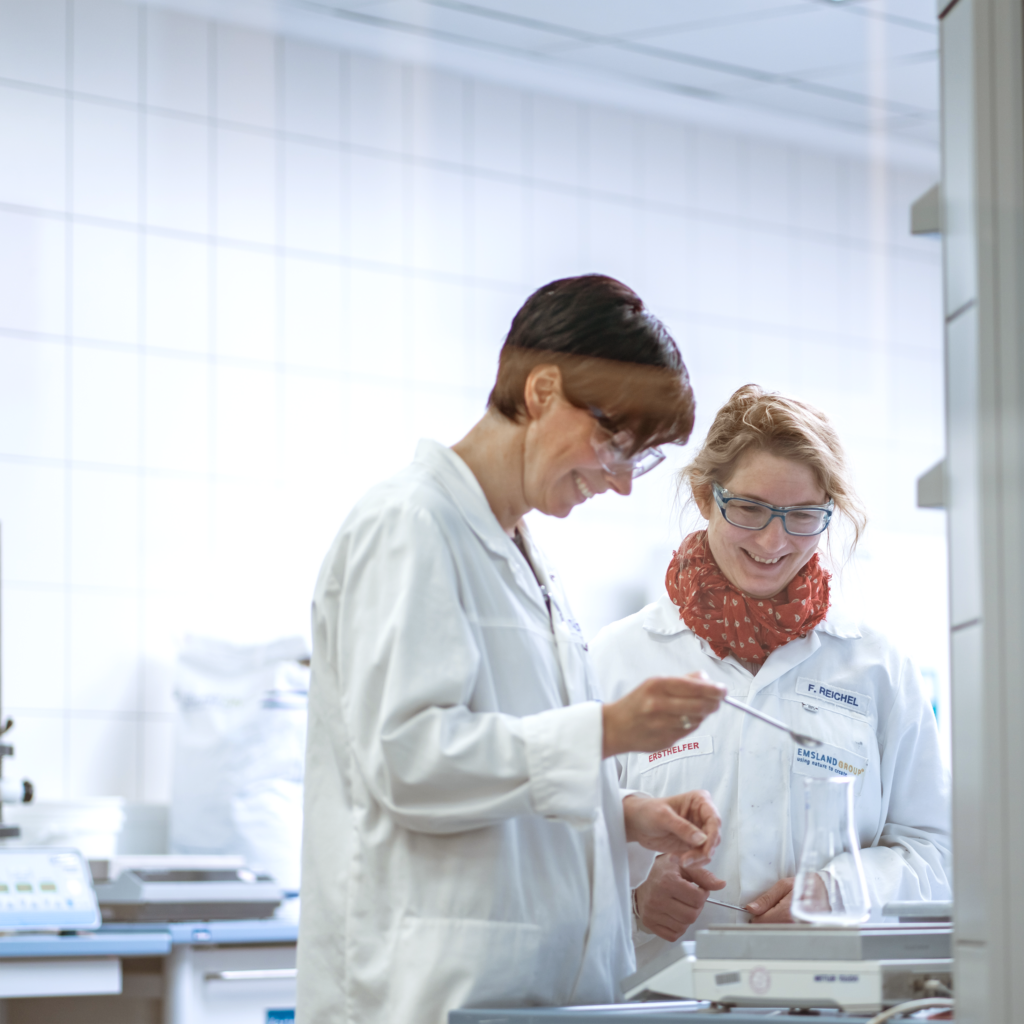
This step ensures early clarity on:
– scalability
– technical limitations
– optimization potential
By testing under realistic process conditions at an early stage, the team can identify opportunities for adjustment before industrial trials begin. This reduces risk, shortens development timelines and improves efficiency. This includes both product and process development — from creating new functional ingredients to improving efficiency and reducing energy consumption in production.
Engineering Expertise Built In-House
The company’s engineering department, together with the maintenance team at Emsland Service, designs and builds specialized equipment in-house — an advantage that proved especially valuable during the pilot plant modernization.
This expertise enabled highly customized solutions and precise technical fine-tuning, ensuring that the new systems replicate large-scale production processes as closely as possible. The result is greater flexibility, faster adjustments and more reliable development outcomes.

Enabling Customer Innovation
Products developed successfully in the pilot plant are not an end in themselves — they form the basis for customer solutions. Whether responding to market trends, optimizing formulations or improving production efficiency, these ingredients provide new functional possibilities.
For example, the advanced extruder can be used to develop cold water functional starches with tailored properties for applications such as instant soups, sauces, bakery fillings or dairy alternatives. Compared with traditionally used drum or spray drying technologies, this process offers a more sustainable approach while still delivering the specific functionalities customers need to create new product concepts or improve existing formulations.
Close collaboration ensures that these ingredients can be effectively integrated into customer processes. By combining product development with technical support, the Emsland Group helps translate functionality into practical results.
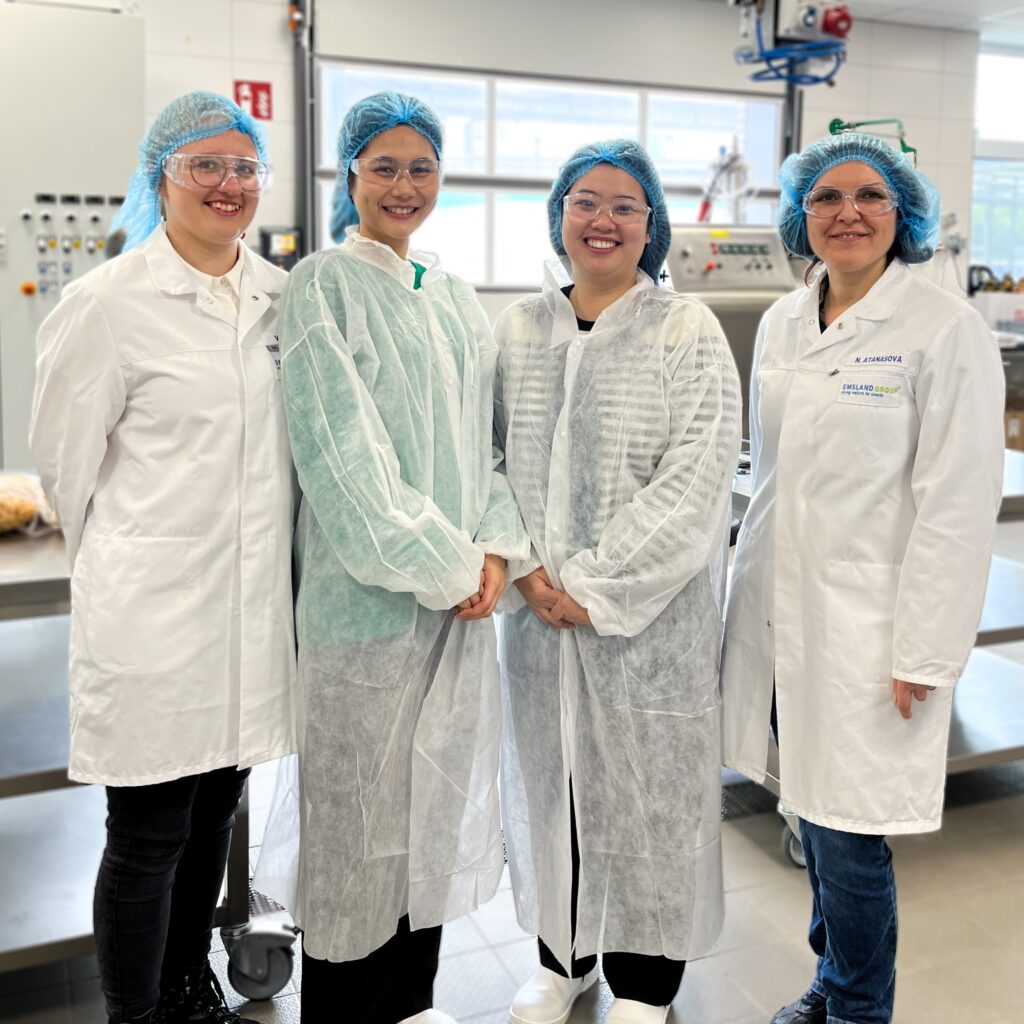
Collaboration Without Borders
Development is supported by a global network.
Teams in Thailand, Singapore, Turkey, the USA, the UK and Dubai contribute regional insights that are directly integrated into R&D activities. This ensures that developments are not only technically sound, but also aligned with local market requirements.
Focused on What Matters
The guiding principle remains clear: innovation must be practical, scalable and economically viable. Investment in pilot plant capabilities enables the development of new products — and provides customers with the tools to advance their own. Because ultimately, innovation is measured not by complexity, but by the value it delivers in real-world production.
Would you like to read more articles like this? Sign up for our newsletter!